
Solar in Winter (Australia): How Much Output to Expect
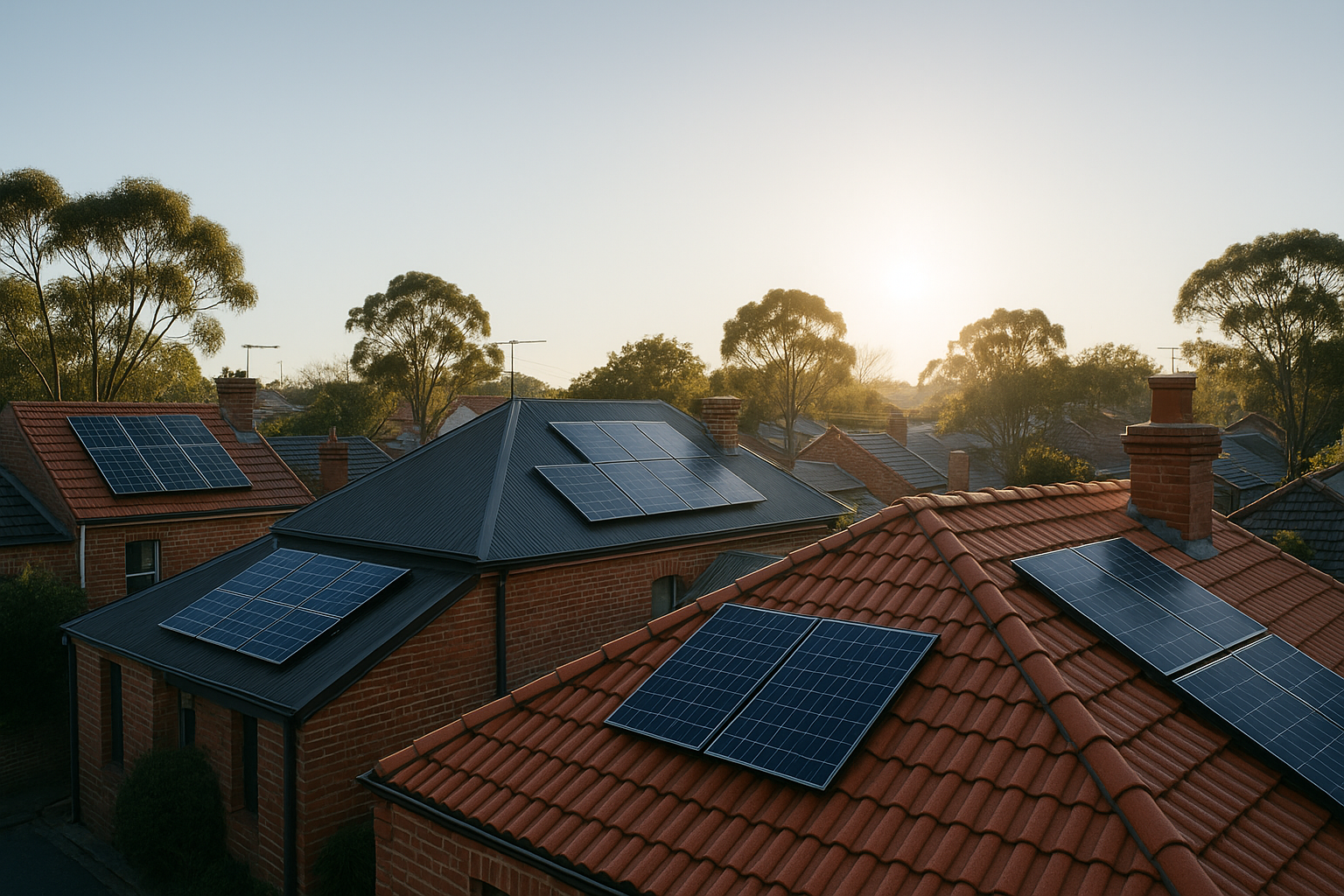
When the cooler months roll in, many Australian households wonder how solar panels in winter Australia will perform. Shorter days and a lower sun angle naturally reduce the hours of sunlight your system receives, even though cool air actually helps panels work more efficiently. Thinking about daily kilowatt hours rather than momentary power helps set realistic expectations.
This guide offers practical tactics to steady your bills during winter. We’ll look at output gaps, timing and heating tips, and when a battery makes the most sense. A little seasonal planning can make your investment work harder for you, and our services team is here to help with more personalised advice.
Winter vs summer output gap
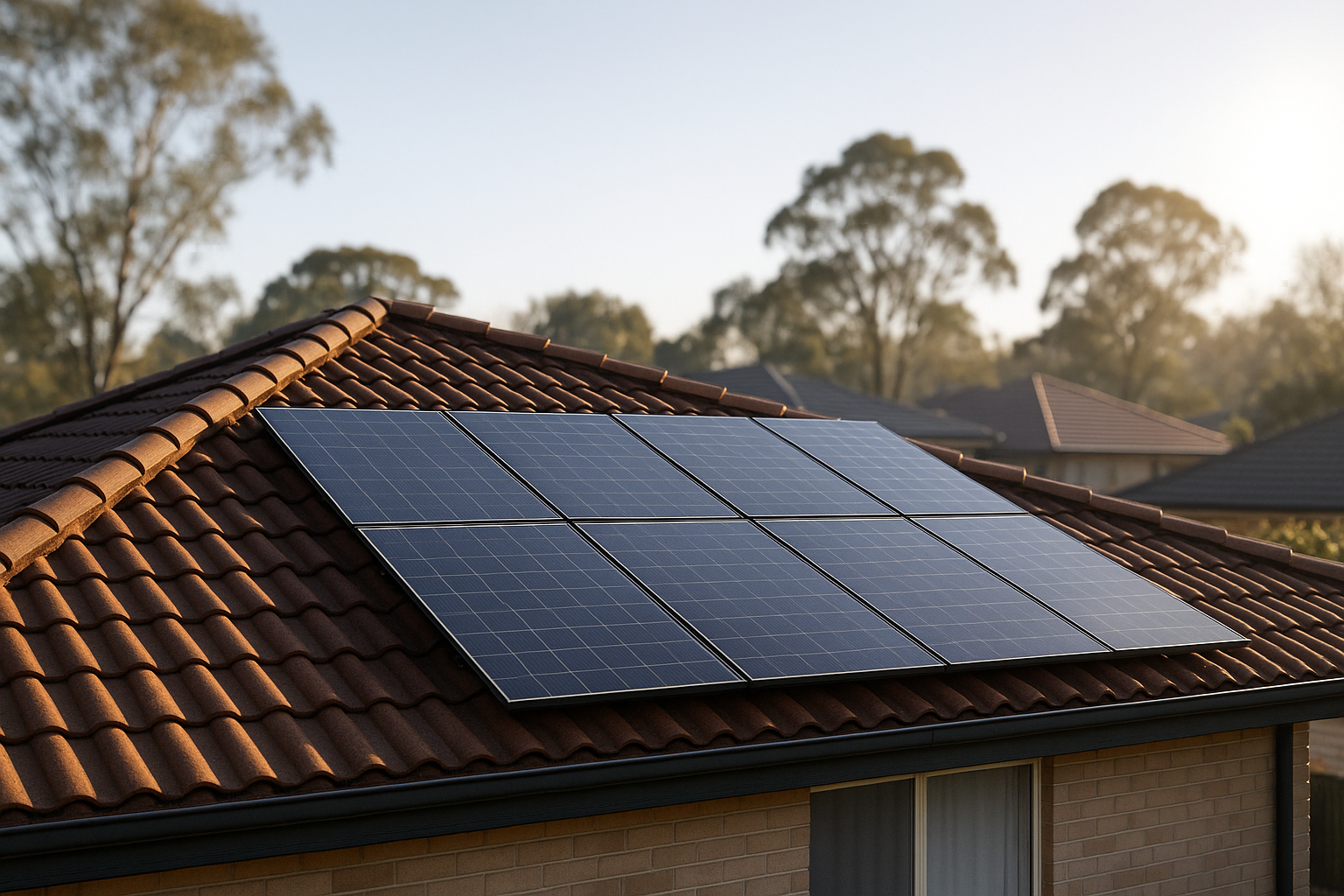
Winter yields less energy than summer because the sun sits lower in the sky, days are shorter and shading from nearby trees or buildings can linger. Cloud cover and rain are also more common, reducing the amount of light hitting your panels. Although cool air improves efficiency, the reduction in sunlight hours still dominates the total kilowatt hours produced.
To put the seasonal gap into perspective, here are typical patterns for homes in New South Wales and around Australia:
- A 6.6 kW rooftop system in Sydney can generate around 26 kWh on a sunny day, yet midwinter days often yield only 16–20 kWh, roughly 60–70 % of summer production.
- June is the month of least sun; average June output in Sydney is about 71 % of the yearly daily average for a north-facing system.
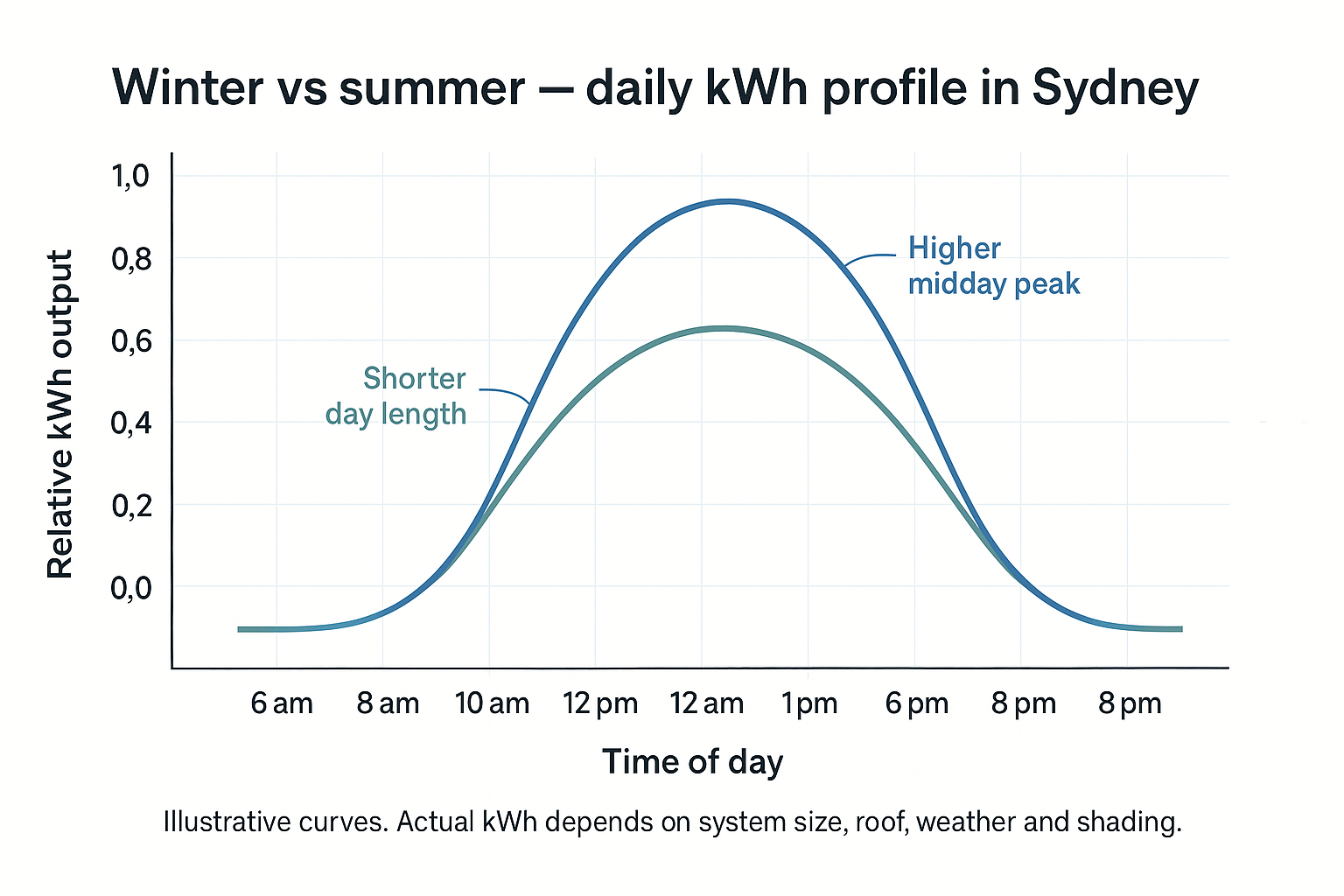
Seasonal demand also plays a role: winter mornings and evenings see higher household usage for heating and lighting, while production peaks around midday. Understanding these patterns helps plan appliance use and system sizing. For more detailed insights, see the Clean Energy Council advice on panel performance, Energy.gov.au guidance for households and Ausgrid information on seasonal demand.
Panel orientation matters too. A north‑facing roof produces more energy year‑round, while east or west orientations favour the morning or late afternoon at the expense of midday. Tilting panels at a steeper angle can help catch the low winter sun, but most rooftop systems stick to roof pitch for simplicity. Whatever your setup, check for shading around the winter solstice; trimming vegetation can unlock extra yield.
Usage timing and heating tips
Making the most of your solar system in winter is about timing. The sun rises later and sets earlier, so the production window narrows. In New South Wales, the best generation typically occurs between 11 am and 2 pm compared with 10 am to 4 pm in summer. Align household chores and heating with these peak hours to capture more free energy. For households on time‑of‑use tariffs, shifting consumption away from the evening peak can also reduce network charges.
Here are simple tactics that suit shorter days:
- Run dishwashers and laundry mid‑morning to early afternoon when your array is producing; many machines have timers.
- Preheat living areas during daylight and then maintain comfortable temperatures with moderate set‑points; reverse‑cycle air conditioners are efficient, but good insulation and curtains keep the warmth in.
- Use timer controls on reverse‑cycle systems and avoid overnight electric resistance heating; if you need overnight warmth, consider extra blankets or a heated throw rather than a space heater.
- Keep panels clean and clear of morning shade; professional maintenance from our services team can help you get the most from your array.
- Shift your electric hot water system or heat pump to run in the middle of the day so your tank can soak up excess solar energy.
These winter solar tips help balance comfort and efficiency. For broader advice on household energy use, check the Energy.gov.au guidance for households or the AEMO overview of seasonal load patterns. Small changes to your routine can reduce the energy you buy from the grid and make your solar investment pay back faster.
When a battery helps most
A solar battery stores surplus power from sunny hours to use after dark. In winter, when production drops off earlier, a battery covers evening cooking, study and heating loads that would otherwise draw from the grid. It also smooths the impact of cloudy afternoons, giving you more control over when you use your own energy.
Batteries come in various sizes. Smaller households with modest arrays might pair a compact battery to support basic evening lighting and appliance needs. Larger systems can justify bigger batteries to cover heavy evening loads like induction cooking, heat pumps and home offices. When setting up a battery, consider winter settings such as maintaining a reserve level to handle stormy days and using time‑of‑use controls to charge from the grid at cheap rates when necessary.
While a battery is a significant investment, prices are falling and pairing one with solar can increase your self‑consumption from around 40 % to 80 % or more. Some states offer rebates or loans, and joining a virtual power plant (VPP) can provide extra credits for sharing stored energy with the grid. Reduced bills and potential VPP payments may offset the upfront cost over time.
To see if a battery is right for you, speak to our team about sizing, pricing and integration with your existing system. We can configure winter settings for the best balance between savings and reliability. It’s also important to choose a product approved by the Clean Energy Council and have it installed by an accredited technician.
For tailored advice or to get a quote, explore our services or Contact Bright Future Energy today. Our consultants can assess your usage patterns, discuss winter performance and help you decide whether adding storage or expanding your array will deliver the best results.
You can also read the AEMO overview of seasonal load patterns for context on how storage fits into the broader grid.