
Coastal Conditions: Salt Mist, Wind, and Solar Durability
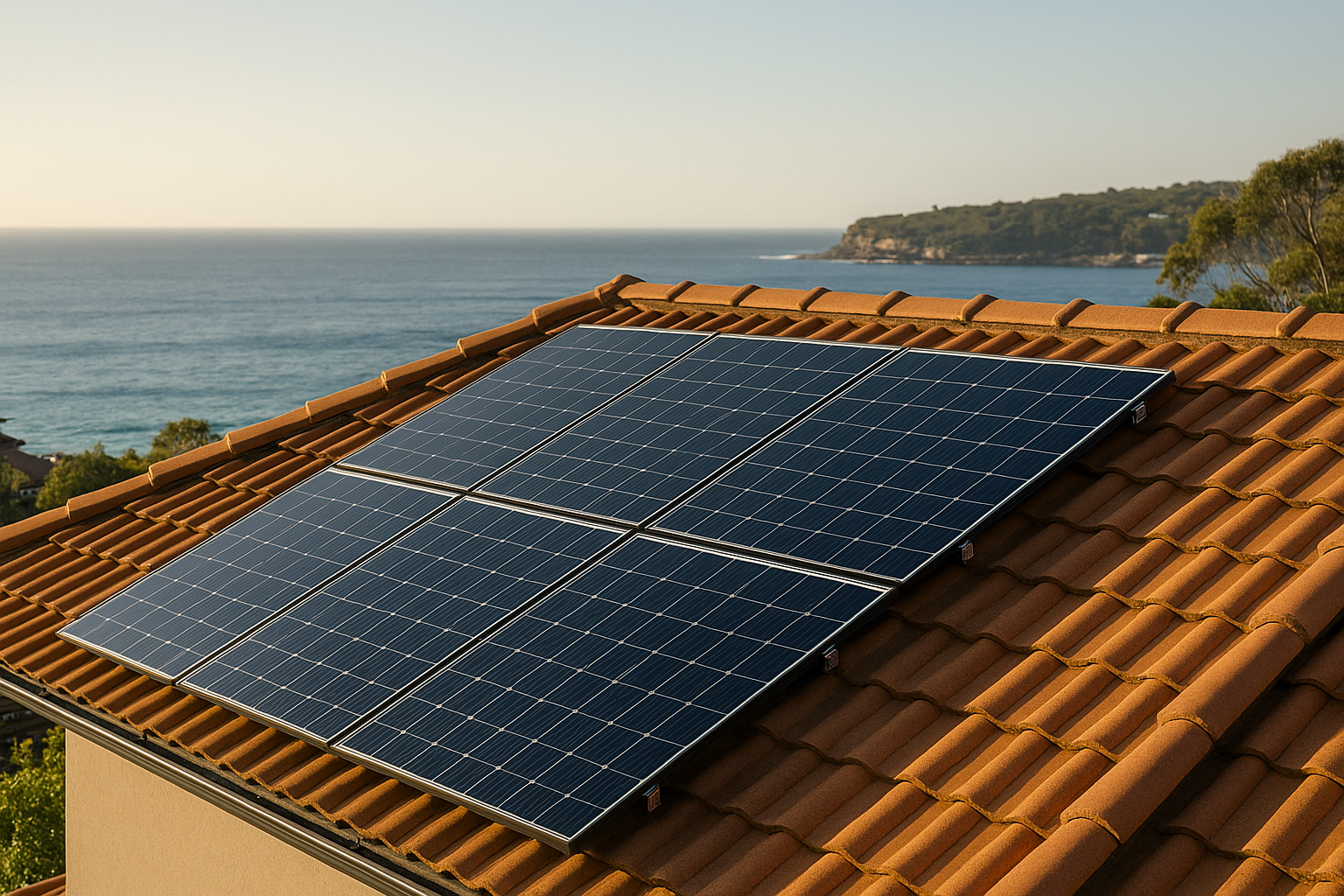
Living near Sydney’s iconic beaches is a privilege, but salt mist and strong winds punish equipment. When you invest in solar panels coastal areas like Coogee or Bondi, you want reassurance that they will last. This piece offers clear specifications, a simple maintenance plan and practical design advice for long‑term durability. Whether you are installing a new array or retrofitting an existing system, understanding how the ocean environment affects your gear will save you time, money and frustration.
Materials and certifications
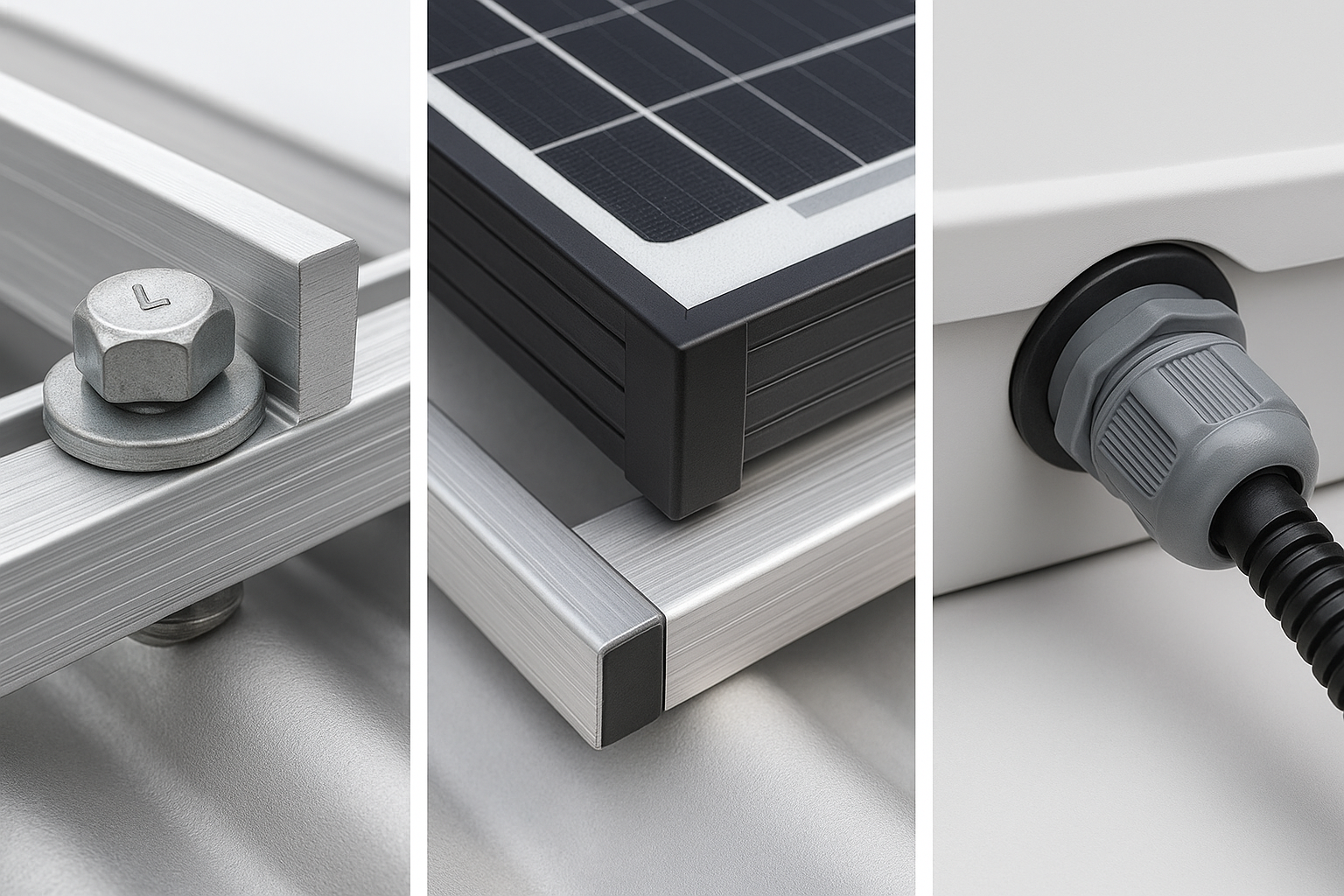
Coastal conditions accelerate corrosion, so quality materials matter more than ever. Specify marine‑grade fasteners, anodised aluminium frames, sealed junction boxes, coastal‑rated racking, UV‑stable conduit, and corrosion‑resistant isolators and enclosures to withstand salt corrosion solar. Cutting corners invites rust, pitting and water ingress that can void your warranty and shorten the life of your investment.
|
Item |
Standard spec |
Coastal-ready spec |
Why it matters |
|
Fasteners |
Zinc-plated steel |
316 stainless steel or hot-dip galvanised |
Resists rust in salt mist |
|
Module frames |
Basic anodising |
Hard-anodised or enhanced coating |
Slows pitting and staining |
|
Racking/rails |
General aluminium |
Coastal-rated aluminium, sealed cut-ends |
Extends life near sea air |
|
Cable glands & seals |
Basic plastic |
UV-stable, IP-rated glands |
Keeps water and salt out |
|
Isolators & enclosures |
Indoor-rated |
Outdoor coastal-rated IP gear |
Protects switches and terminations |
Examples only. Your installer confirms exact products, ratings and spacing for your roof.
Be wary of generic marketing claims about ‘weatherproof’ gear. A truly coastal‑ready system meets or exceeds ingress ratings, has hard‑anodised frames, sealed cut ends and uses enclosures designed for outdoor coastal duty. Components should have valid IP ratings that indicate how well they resist dust and water, and compliance certificates should be available on request. Check approval lists like Clean Energy Council approved products to confirm the components meet recognised standards and discuss each item with your installer. Use our warranty explainer to understand coverage periods and conditions before signing off, including how salt exposure might affect different parts of your system. Asking for data sheets and installation manuals up front will save headaches later.
Maintenance near the sea
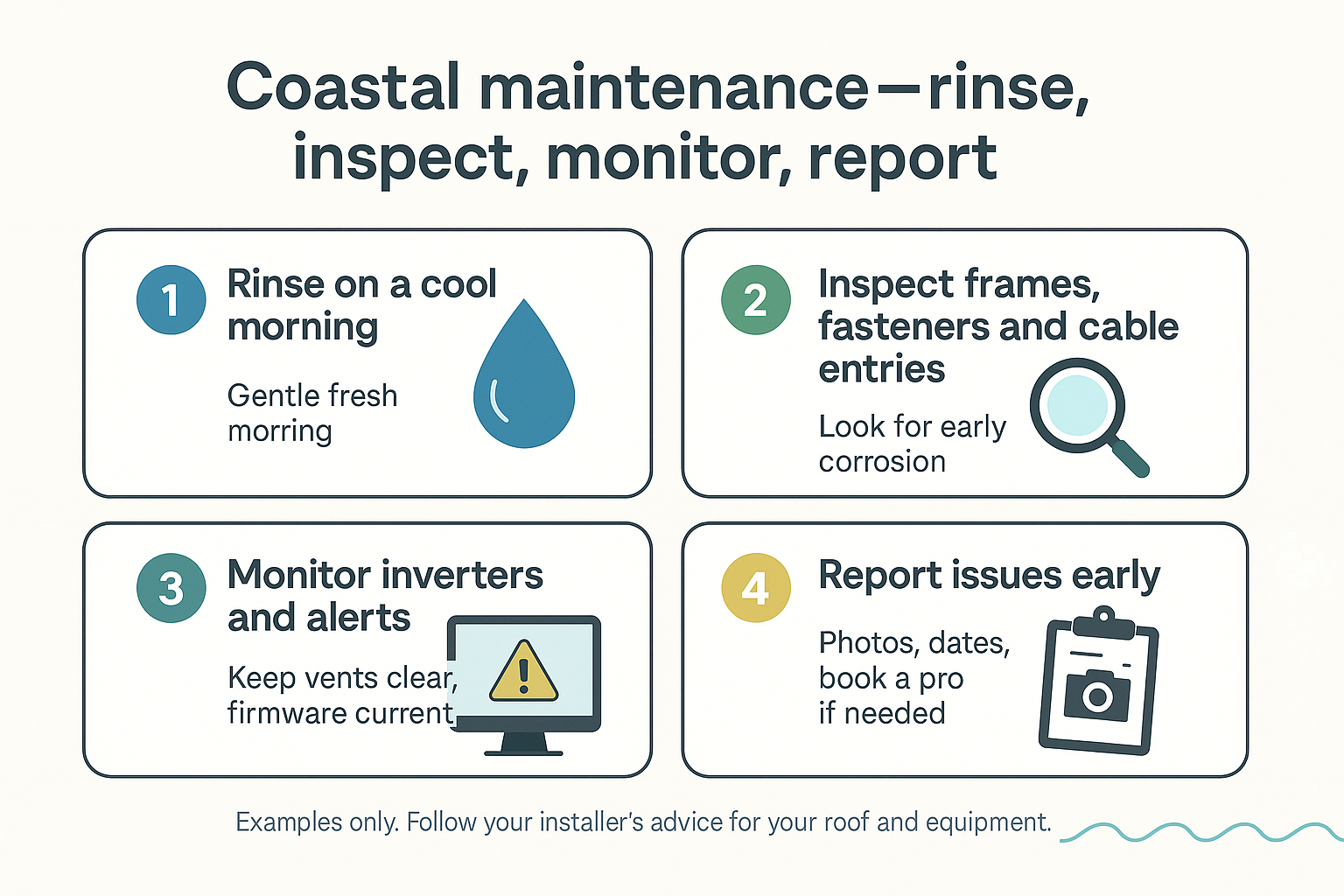
A simple maintenance routine reduces salt accumulation and extends service life. Here’s a practical checklist for homeowners near the sea. Keep it on your fridge or in your monitoring app as a monthly reminder.
- Gentle fresh‑water rinse on a cool morning; avoid pressure jets and detergents which can drive salt deeper into seals.
- Inspect frames, fasteners and cable entries for early corrosion signs such as discolouration, flaking or looseness. Tighten any hardware that has worked loose in strong winds.
- Keep inverter vents clear; confirm monitoring is live and alert‑free so you spot faults promptly. Dust, leaves and cobwebs can restrict airflow in salty air.
- Update inverter firmware and review error histories before summer peaks, when sustained high temperatures coincide with sea breezes.
- Report warranty concerns early with clear photos and dates. Prompt reporting helps establish cause and may prevent further damage.
For more on system sizing, battery options and features, see our Residential Solar page. If you need official advice, check Energy.gov.au solar guidance for maintenance recommendations and safety tips. Book a professional clean and inspection every one to two years to confirm torque, spacing and weather seals, especially if you live within a few hundred metres of the shore. A licensed electrician can also test insulation resistance and identify any hidden moisture ingress behind panels or in conduits.
Designing for high winds
Coastal suburbs often sit in higher wind regions under Australian Standards. Understanding wind regions, terrain categories and uplift loads helps you choose the right racking and fixings. In plain English, the wind rating reflects how hard the gusts can try to lift your panels, and your roof type – tile, terracotta or Colorbond – affects how those forces transfer. Exposed headlands and multistorey buildings may require additional engineering, while sheltered streets might qualify for lighter fixtures.
Racking selection is more than just rails; it involves span spacing, clamp zones and edge distances. On a seaside home, rail spacing may be reduced and clamps placed closer to panel edges to resist coastal wind load solar. Always seal cut ends of aluminium rails, use corrosion‑separating gaskets and torque fasteners to the manufacturer’s values. Rail joints should be staggered to avoid creating weak points, and extra mid‑span supports may be required on long arrays.
Penetrations and footings deserve equal attention. Fixings should be sealed with high‑quality mastic or gaskets, end caps must be installed, and dissimilar metals separated to avoid galvanic corrosion. Closer footings may be required on tile roofs to reduce uplift risk. For metal roofs, use manufacturer‑approved brackets that maintain weatherproofing and avoid compressing the sheeting beyond recommended limits.
Inverter placement and cable management also influence performance. Mount inverters in shaded, ventilated spots away from direct salt mist, keep conduits elevated and anchor cables securely. Use UV‑resistant clips and ties, and avoid sharp bends that can stress insulation. For further guidance, refer to Standards Australia wind region references and Ausgrid coastal installation advice, and arrange a professional site check and design review to tailor your system to your roof. Discuss wind region maps with your installer so you know whether your property sits in Region A, B or C.
Request a coastal design review and site assessment so your system withstands the elements and performs for decades. A little extra planning now ensures your array keeps generating clean power without drama while you enjoy the surf and sea breeze.