
Spring maintenance checklist – clean panels, check firmware, prepare for summer
Spring in Sydney brings warmer days, longer light and the first nor’easters. Coastal salt-mist and early storm fronts are on the way. Use this simple checklist to lift output before summer and plan your solar maintenance Sydney well before the peak heat.
Spring maintenance is quick, low cost and pays back through cleaner panels and fewer faults. A little preparation now avoids rushed service calls during peak heatwaves.
Sydney’s mix of sea breeze, bush pollen and city dust can settle on glass faster than you think. That build-up steals watts and adds heat just when you want cool, efficient panels.
Safety first
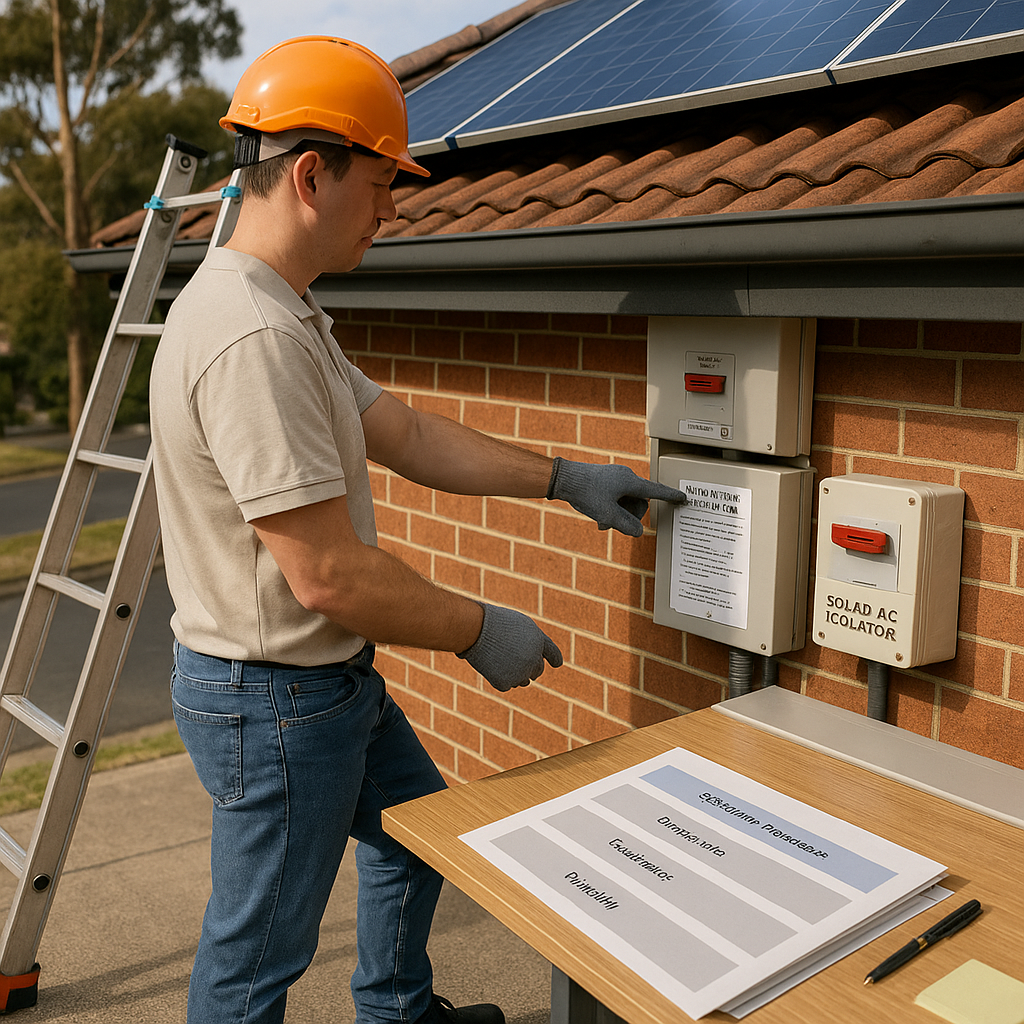
Before you touch anything, put safety ahead of speed.
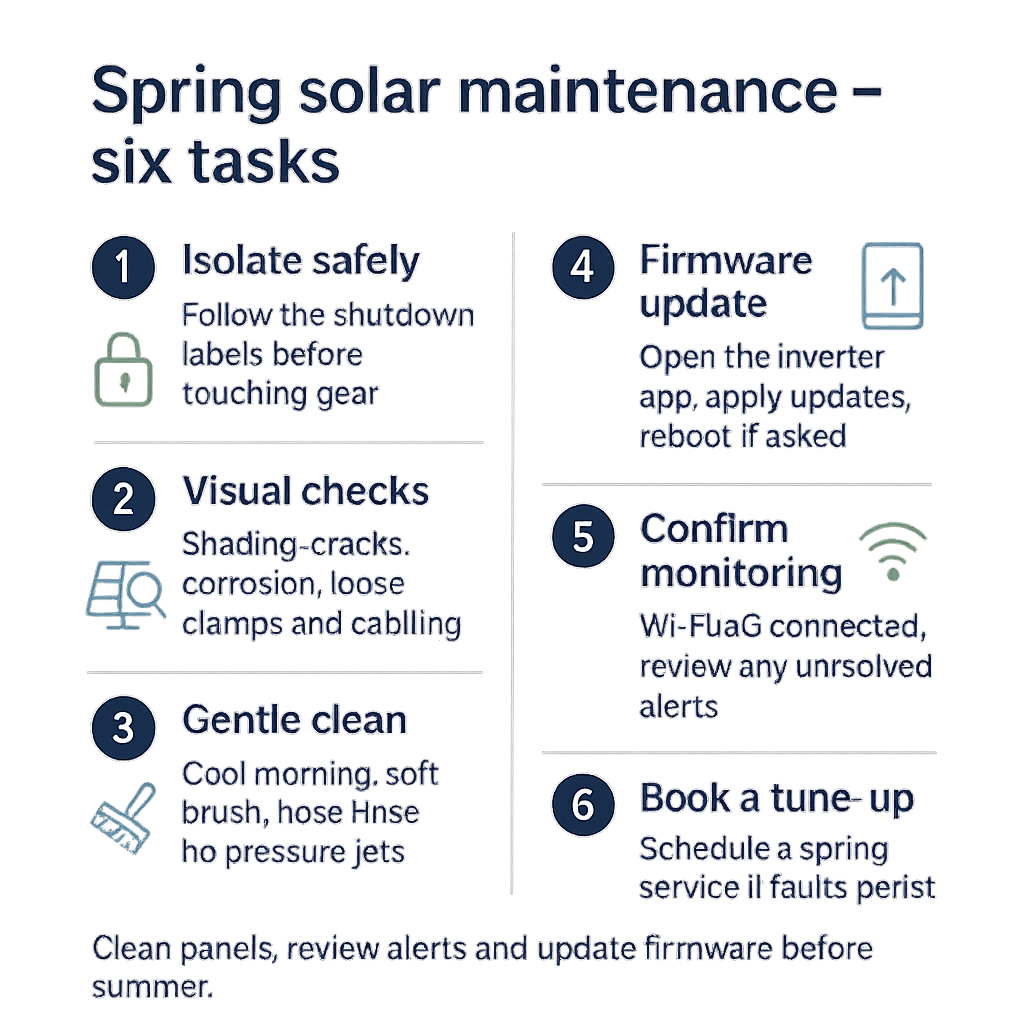
- Isolate the system using the shutdown procedure and inverter switch so both DC and AC are safely off.
- Wear grippy footwear and insulated gloves, keep ladders stable on level ground and avoid wet or dusty roofs.
- Keep clear of live wiring and junction boxes, and never open sealed enclosures or tamper with plugs or fuses.
- If you’re unsure about safety, stop immediately and book a licensed technician via the services page for a proper check.
Visual checks
A quick look now can prevent performance dips when the summer sun arrives.
- Look for new shading since last summer, including fast-growing trees, new antennas or neighbouring builds casting longer shadows.
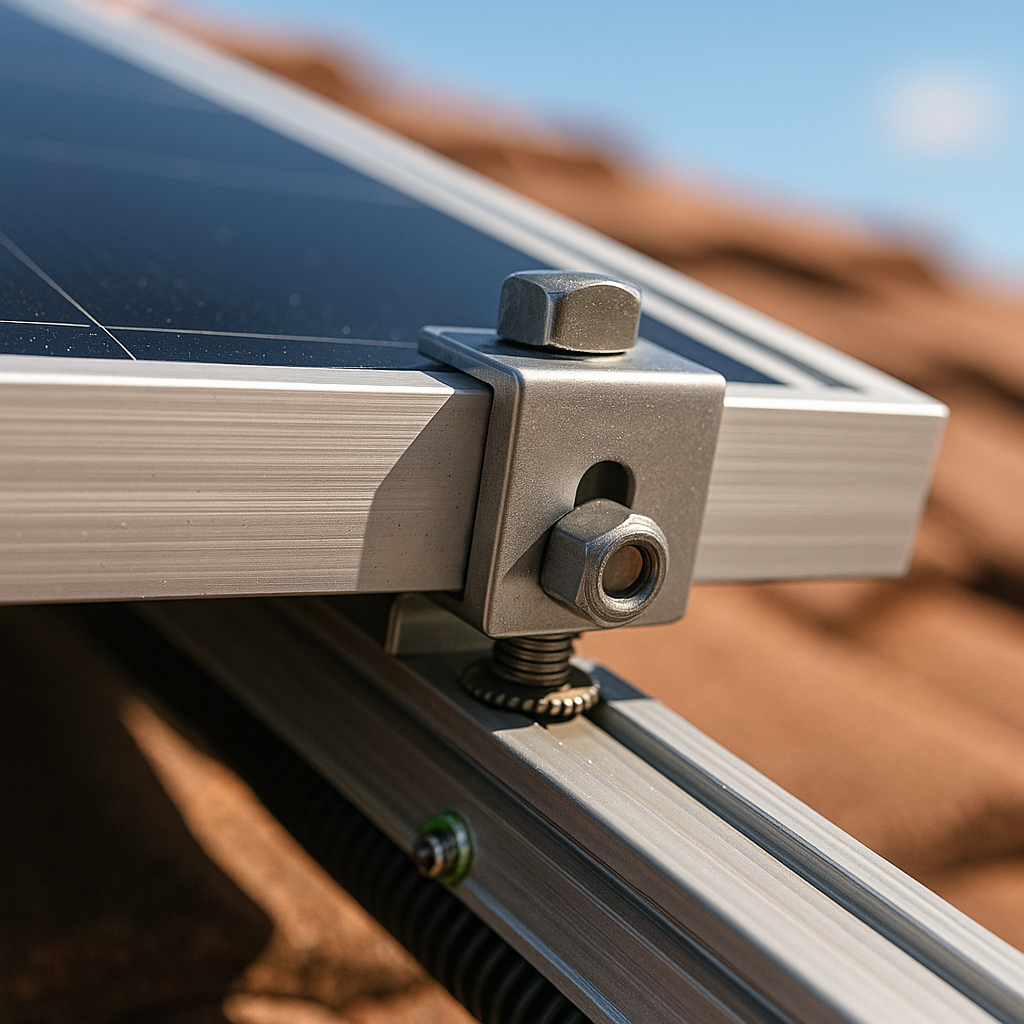
- Inspect panel glass, frames and clamps for cracks, corrosion or loose fixings that could invite water ingress.
- Check conduits and cabling for UV wear, abrasion or pest damage, especially around roof edges and entry points.
- Open your monitoring app and review unresolved monitoring alerts so small faults do not linger into summer.
- Check inverter status lights and recent logs for errors or repeated trips that point to wiring or grid issues.
- Confirm switchboard labelling is legible and safety switches are sound, then test them to ensure fast shutoff.
Shading and loose hardware can creep in quietly over winter. Fixing these early helps panels run cooler and more efficiently when the mercury rises.
For seasonal safety around storms and outages, review Ausgrid’s storm safety tips.
Cleaning and firmware
- Clean on a cool morning. Use a soft brush or sponge with a gentle hose rinse so water evaporates slowly.
- Avoid high-pressure jets and harsh detergents; rinse salt-mist and city grime evenly to prevent streaks or hot spots.
- Wipe back panel edges and rails to discourage long-term build-up that harbours salt and leaf litter.
- Inverter firmware update: open the manufacturer app or portal, apply available updates, then reboot if prompted and note the version.
- Confirm the inverter’s Wi‑Fi or 4G is connected so monitoring stays reliable and alerts reach you promptly.
- After updates, verify today’s production and tonight’s consumption look normal to confirm everything is stable.
When to book a service
Most systems benefit from a spring tune-up so summer starts smooth and strong.
- You see fault codes, repeated inverter trips or a sharp drop in output that cleaning does not fix.
- Panels show cracked glass, hot spots, corrosion or water ingress that needs a qualified assessment.
- There is pigeon nesting, heavy debris or persistent shade you cannot remove safely without roof access gear.
- You want a pre-summer inspection, thermographic scan or a battery-readiness check ahead of hotter days.
- Book an inspection via our services page or Contact Bright Future Energy to lock in a time before summer peaks.
Bright Future Energy’s local team works across Sydney’s coastal and inland suburbs, so we understand salt, soot and summer heat. We’ll arrive with the right PPE, fall protection and test gear.
If needed, we can recommend bird-proofing, optimisers or a battery pathway. Secure a spring slot now to maximise summer generation and peace of mind.
Spring appointments fill fast across Sydney once the first hot weekend arrives. Booking now secures a calmer time slot and avoids the December rush when outages and heatwaves can delay visits.